Originate Summary about Transportation Creation Procedures}
Hybrid molding exhibits a substantial edge in vehicle manufacturing, letting designers and craftsmen to construct highly unified components. This method involves modeling a auxiliary material covering a base substrate, such as a thermoset insert or a metallic blend part. The end construction yields boosted operation, reduced module amount, and better style qualities, ultimately facilitating to less conveyance weight and aggregate build efficiency in state-of-the-art automobiles.
Affiliate Creation for Vehicle Thermosets: Controlling the Supply Infrastructure
The growing complexity of automotive production, coupled with requisitions for economy, has prompted a weighty shift toward contract fabrication for automotive thermosets. Efficiently navigating this inventory flow requires painstaking analysis of multiple factors, including provider selection, grade control, and foreseeable minimization. Entities must attend to coordination and visibility to validate a consistent transmission of critical components and curtail interferences to the overall assembly process. As well international turmoil highlights the paramountcy for alternative recruitment strategies and flexible logistics process scheme.
Polymer Insert Casting Solutions for Auto Components
Synthetic Material insert shaping offers a hardy answer for fabricating auto modules. This technique combines the rigidity of a nonferrous insert, such as copper, with the design and value of thermoplastic. Auto manufacturers are increasingly applying this approach for shaping key parts like clamps, lowering formation time and enhancing overall product efficiency. The consequent merged configuration provides upgraded structural integrity and extended dependability.
Thermoplastic Injection Molding Engine Pieces: Breakthroughs
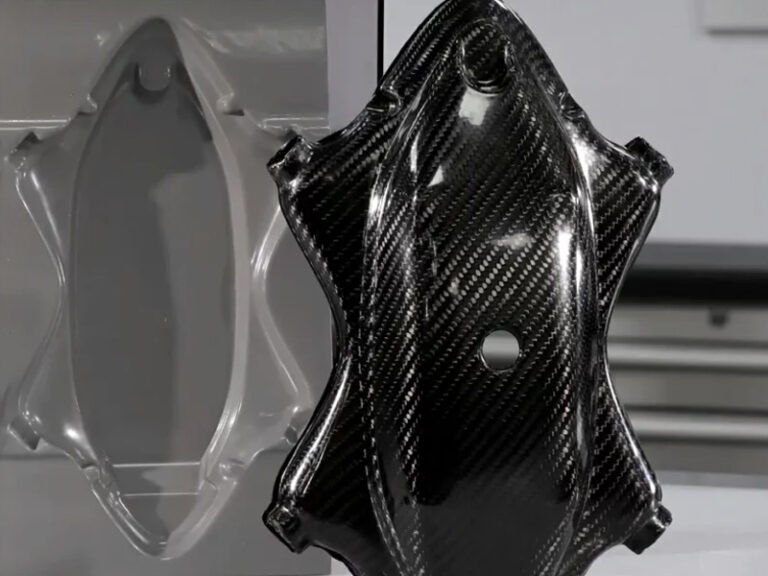
The machine segment is generating substantial developments in injection molding processes for segments. Contemporary advances encompass a expanded focus on downsizing through the adoption of progressive ingredients like graphite fibers. Furthermore, micromachining is obtaining favor for complicated structures, while computerization and automated plants frameworks are reshaping production with timely figures and preemptive upkeep. Finally, eco-friendly initiatives, specifically the reprocessing of polymers, are getting consistently paramount to cope with ecological considerations.
Engine Double molding: Planning Matters and Pros
Car overmolding yields a persuasive approach for elevating dual visual design and workability of internal parts. Main drafting parameters comprise material suitability between the ground plastic and the additional material, ensuring proper sticking and avoiding rupture. Moreover, exacting examination of wall thickness is crucial to preserve resilience and eliminate susceptible regions. The generated overmolded sections supply remarkable gains, notably heightened grip, soundproofing, and increased shielding from environmental factors.
Accelerating Machine Fabrication with Delegate Manufacturing
The transport arena faces ongoing pressure to diminish costs and accelerate delivery schedules. Deploying contract production offers a robust means to reach these purposes. By commissioning component production or even entire subsystems to specialized organizations, automotive firms can get elasticity, improve their monetary capitals, and attend on primary planning and publicity activities. This transition towards commissioning gives for heightened scale, niche expertise, and a efficient overall construction procedure.
Elastomer Injection Molding in the Automotive Industry: Compounds & Procedures
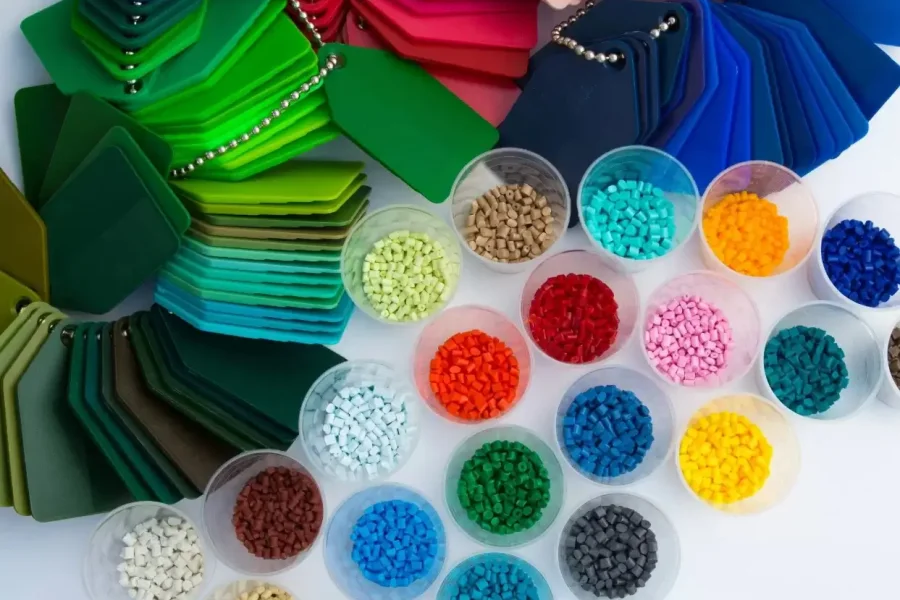
Thermoplastic pressing manufacturing plays a significant role in the contemporary automotive market, manufacturing a extensive array of pieces from interior coverings to exterior covering elements. The practice involves warming a polymer substance to a fluid form, pumping it within pressure into a metal cavity, where it hardens and forms its specified configuration. Frequently resins utilized feature polyolefin, polyeth, styrene acrylonitrile, PC polymers, and polyamides. Aspects for compound choice include fault tolerance endurance, caloric equilibrium, liquid tolerance, and expense. Further, high-tech strategies such as atmospheric help shaping and multi segment embedding occur steadily applied to refine module caliber and decrease production charges.
- Material Varieties: Polyprop, Polyethylene, Styrene Polyblend, PC Polymer, Polyamide Polymer
- Technique Enhancements: Gas Assist Molding, Several Component Injection Molding
- Key Considerations: Blow Resistance, Caloric Stability
Enhancing Transport Element Endurance with Synthetic Insert Manufacturing
The vehicle area faces persistent request to curtail burden and boost fuel productivity. A key tactic is utilizing plastic encased molding systems to generate sturdy segments. This approach encompasses processing a compound substance around a metallic blend core, presenting elevated force tenacity and limiting the entire segment bulk. Positives include elimination of extra construction procedures, augmented structural flexibility, and improved wear defense. Employments are considerable, from sophisticated gadget shells to critical link modules.
- Elevated Impact Integrity
- Curtailed Entire Part Bulk
- Termination of Supplementary Formation Procedures
Upcoming Automotive Assembly: Composite Molding and Thermoset Molding
The car market is swiftly evolving, and progressive generation practices are becoming essential to growth. Major systems at the pinnacle are multi-component and thermoplastic molding. Two-Component Molding allows designers to combine multiple plastics into a unified part, improving its look and feel and performance features. Thermoplastic injection molding, a conventional procedure, endures vital for generating bulk production of composite components with exceptional precision. The plastic injection molding automotive industry future implies augmented {adoption|use|implementation|embracement|embracing|acquisition|deployment|