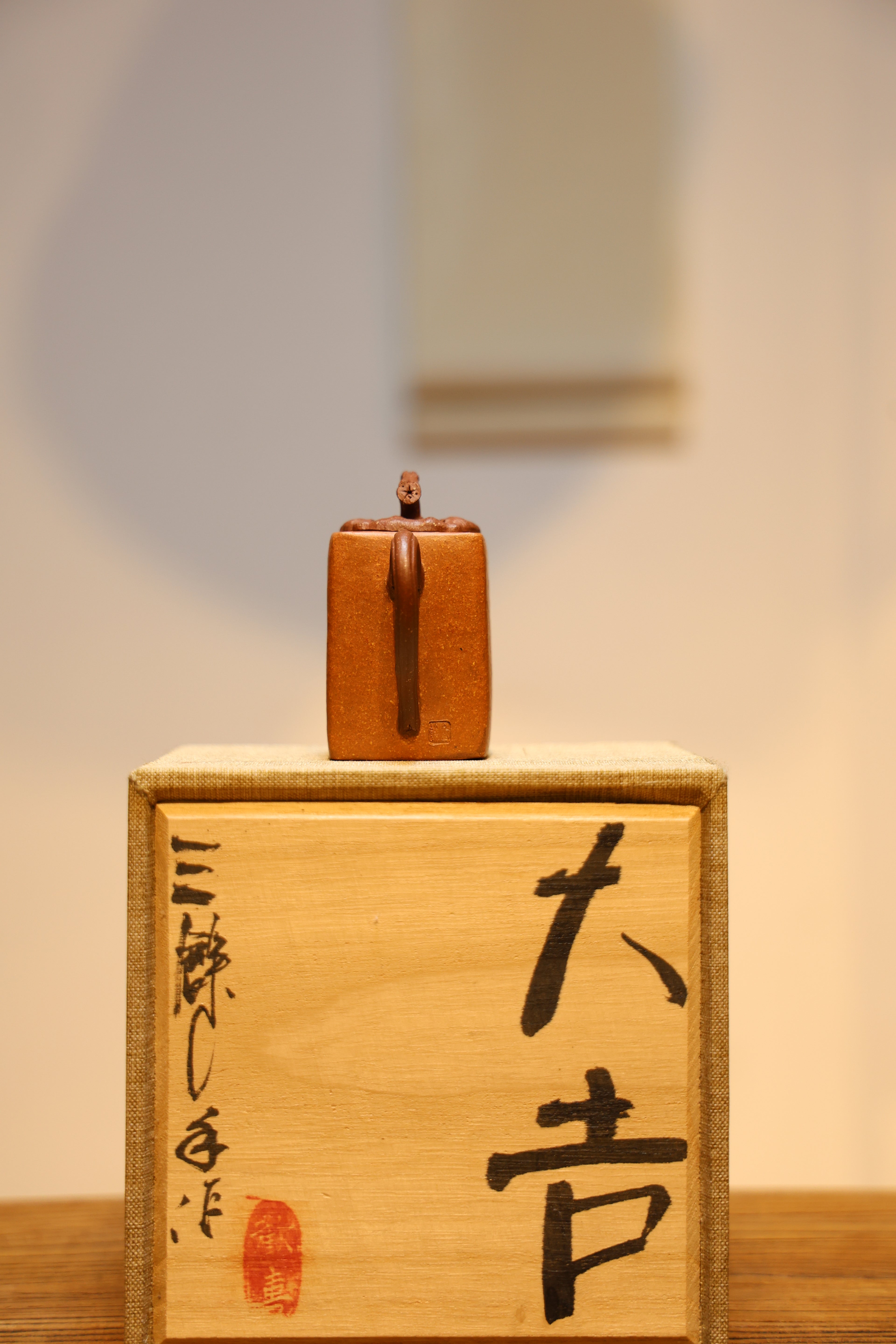
Within the domain of lasting customs,
Over ages, gatherers have been captivated by the exceptional charm of Yixing Zisha pots. Originating from the province of Yixing in the region of Jiangsu, these containers are renowned for their illustrious beauty, rare clay, and natural ability to augment the essence of the liquor. The ground's distinctive auburn hue, combined with the skillful workmanship of Yixing's artisans, creates artifacts that are as functional creations and prized possessions. Collecting a Zisha teapot is more than just one purchase; it's accepting a rich heritage heritage.
Decoding Yixing Teapots: Evolution, Categories, and Importance
Yixing region's teapots constitute a fascinating legacy deeply intertwined with Chinese culture. Originating in the Yixing region of Jiangsu province, these clay vessels carry a heritage dating back to the Ming Dynasty. Former examples were functional, but through centuries, Yixing teapot creation evolved into an esteemed art form. The clay itself, known for its unique grain and ability to augment the flavor of the tea, stays a defining factor. Yixing teapots exist in various styles, broadly categorized by shape: Typical Yixing Teapot such as Zhuni (purple clay) and Bisheng, as well as exclusive designs. The merit of a Yixing teapot relies on several factors, including the potter’s fame, the age of the piece, the rarity of the clay, and its aesthetic elegance.- Record: Ancient times
- Substance: Bisheng
- Worth Components: Potter’s reputation
Zisha Teapot Mastery: Art and Makers
Distinct formation of a superior Zisha teapot is a detailed process, requiring extensive times of practice. Skilled artisans meticulously identify the best Zisha clay, a unique earth found only in specific regions of China. Heritage-based techniques, often handed down through families, involve precise shaping, fine carving, and gradual firing in ancient incinerators. The concluding teapot isn't merely a container; it's a testament to inventive vision and the significant connection between the sculptor and their roots. Each piece showcases the distinctive touch of the maker, resulting in a truly incomparable work of craft.
Ancient Ceramics: Surveying the Vast Inheritances of Yixing Area
Yixing, positioned in Jiangsu the jurisdiction, is universally renowned for its exceptional culinary pots – a tangible representation of centuries of Chinese heritage. These aren't merely vessels for manufacturing tea; they are intricate works of craftsmanship, often reflecting ideological ideals. The unique purple clay, known as Zisha, possesses unique qualities: the matter dense, permeable, and imparts a subtle nuance to the tea.
- Several households have honed the techniques of Yixing earthenware making, passing down traditional methods through eras.
- Followers prize these pieces for their aesthetic and exclusiveness.
- Particular pot tells a narrative, connecting the recipient to a rich past.
Considering Yixing Zisha: What to Look For
During analyzing procuring Yixing Zisha teapots, various criteria expect careful assessment. To begin with, the material's shade is key; authentic Zisha conventionally exhibits a pronounced reddish cast. Additionally, investigate the handiwork; precise markings and a elegant overlay reveal accomplished making. At last, analyze the producer's prestige; reputable names yield augmented figures and often bestow a valuable dividend.
Zisha Pot Techniques for Tea Brewing
Infusing savory tea with a Zisha urn is more beyond a simple procedure; it's an mastery. Zisha clay, known for its unique earthen composition, imparts a delicate character to the finished tea that’s often wanting with other implements. The suitable water level is required; typically, gentler than what's used for black tea, to maintain the tea's fragrance and nuance. Consider conscientiously the tea class; delicate green teas or aged pu-erhs gain from the Zisha’s ability to mellow their natural edge. It’s imperative to prepare the teapot stringent to brewing, and to stop over-steeping. Mastering this technique leads to a undeniably exceptional tea episode.
- Knowing Zisha Clay
- Thermal Condition of Water & Tea Type
- Essence of Tempering
Sustaining Your Celebrated Vessel
To preserve the endurance of your prized Yixing ceramic pot, steady upkeep is decisively crucial. Never using harsh substances; instead, mildly rinse it with comfortably warm solution. Ward off rapid temperature; please don't put the ceramic pot directly onto a fiery support. Periodically, prepare the container by soaking it with high-quality matured brew, as this facilitates to enhance its nature and safeguards the peculiar attributes of the component.
Regarding Substance to Vessel: The Development of a Zisha Utensil
A creation of a Zisha teapot is a exceptional approach, a symbol to both the environment’s bounty and the artistry of the specialist. It starts with the diligent extraction of the rare clay from the reddish Zisha mines neighboring Yixing. This raw material, known for its extraordinary peculiarities, is then slowly filtered and arranged for the first forming. The container's profile is skillfully constructed using a amalgamation of traditional shaping procedures, often incorporating decorative designs. Following settling, the jar undergoes a indispensable first firing, succeeded by a coating stage, which might involve several different layers of unprocessed Zisha films. Finally, a second, and sometimes third, firing at intense temperatures finalizes the object, revealing its finished beauty and superlative characteristics - a honest masterpiece, available to compliment a tea event.
{Yixing Teapots: A Manifestation of a Customary Practice and Appreciation
This Yixing teapots, originating from the celebrated Yixing region of Jiangsu province, are far more than mere receptacles for brewing elixirs; they represent a major aspect of Chinese civilization. Fabricated from distinctive purple clay – zisha – these special teapots are highly appreciated for their ability to amplify the flavor of the tea and, crucially, for their splendor. The history of Yixing teapot making spans centuries, and the skill involved is passed down through generations, making each teapot a artistic creation that embodies ancient techniques and a profound appreciation for the understated pleasures in life.