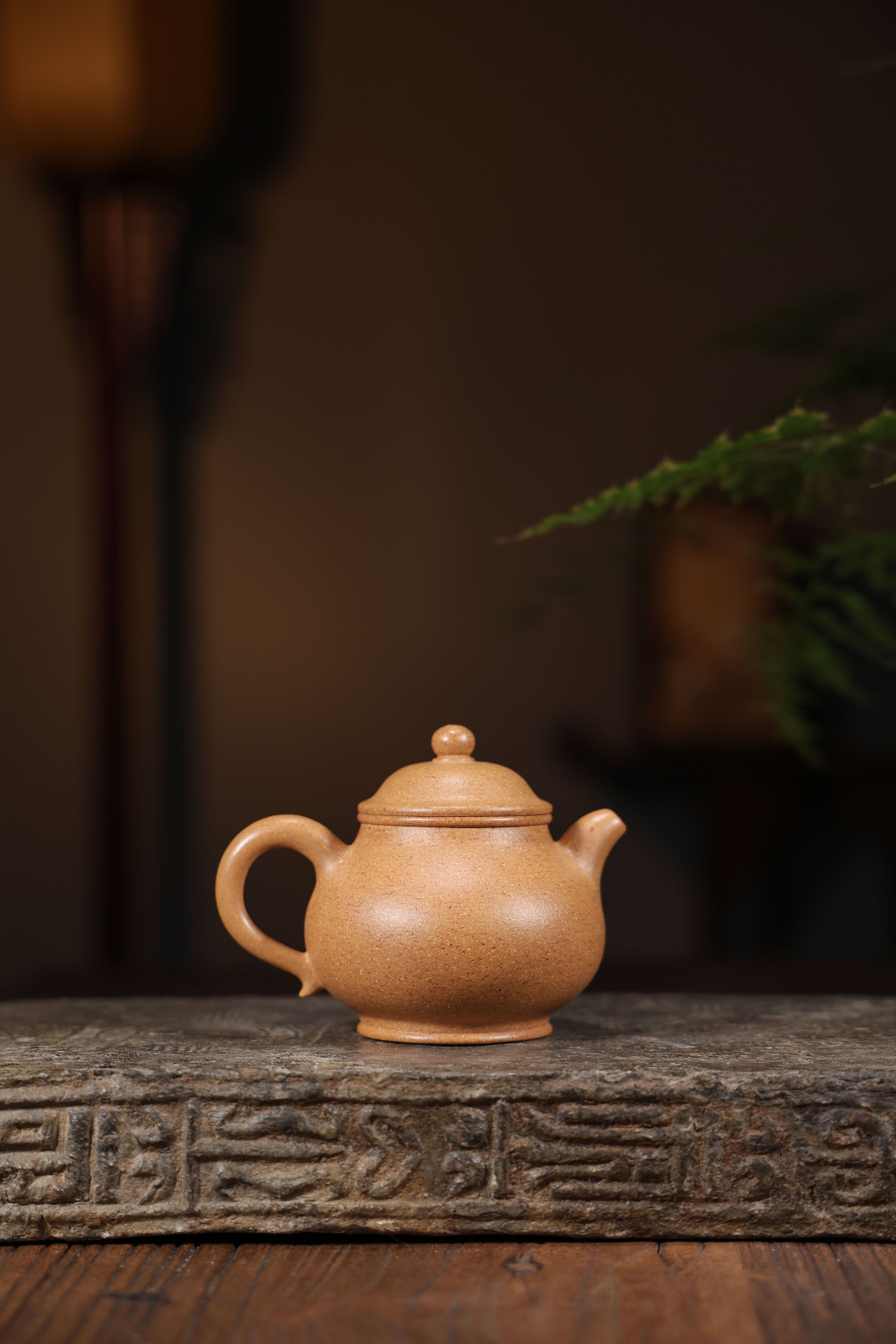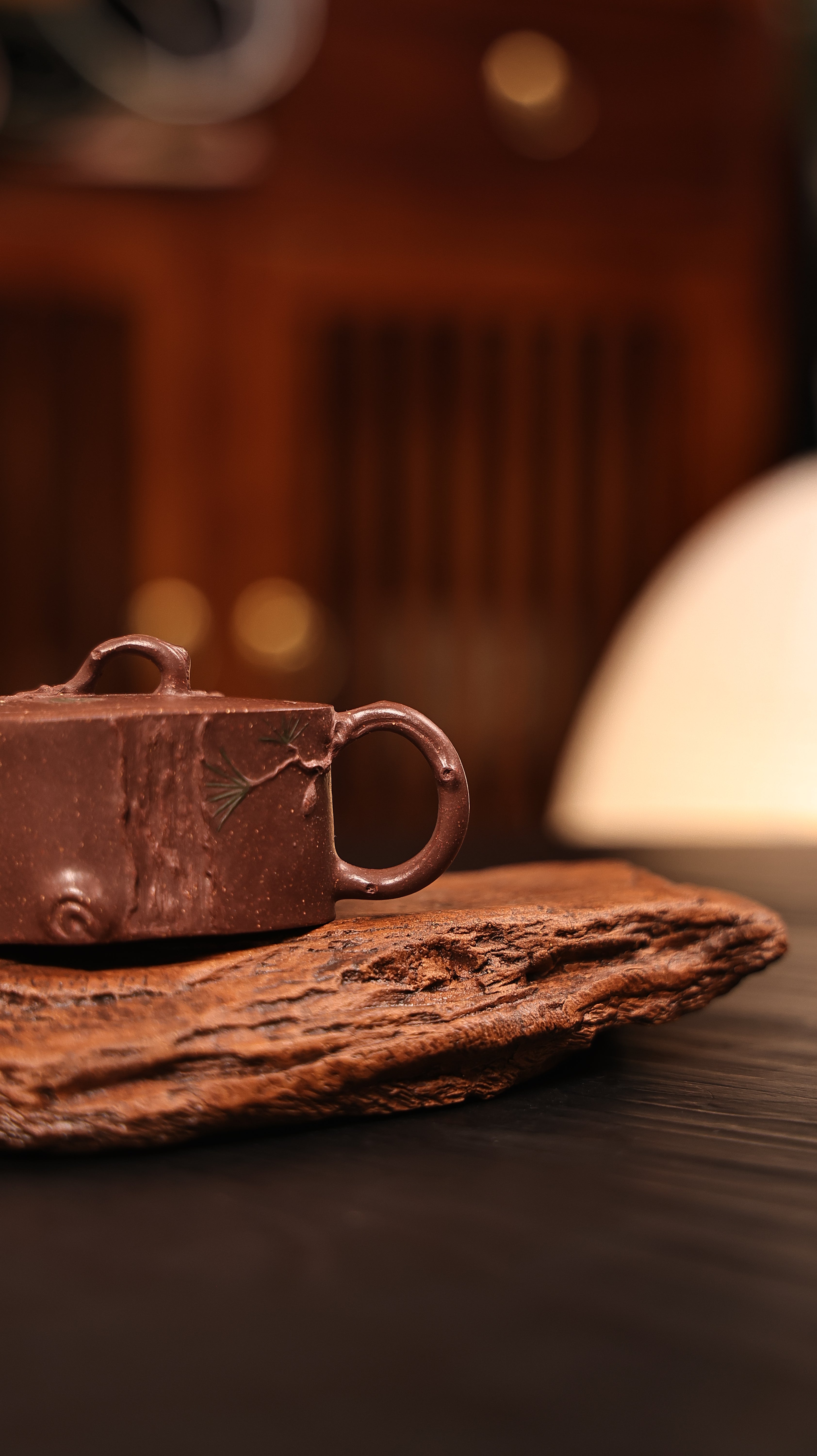
Times of lovers have long cherished the distinctive enchantment of Yixing Zisha teapots. Existing in the tranquil town of Yixing, China, these amphorae are created from a scarce and dug purple clay recognized for its extraordinary thermal attributes and ability to refine the note of liquids. More than their practical value, Zisha teapots illustrate a solid heritage tradition, designating them markedly coveted and a true treasure for any enthusiastic teapot appreciator.
Delving into Yixing Pitchers
Historical teapots showcase a remarkable unification of history and traditional craftsmanship. Originating in Yixing, Jiangsu Locale of China, their narrative stretches the Ming Dynasty, although indications suggest earlier models. The distinctive purple clay, called Zisha, found particularly in the Yixing region, is the essential component, contributing to the pots' impressive heat holding and the manner they impact the character of tea. Periods of potters have polished techniques—often inherited through families—including designing the clay, applying ornate embellishments, and firing the pots at precise temperatures.- Earlier, Yixing teapots were often beautified with simple designs.
- Later, more refined carvings and iconographic motifs became popular.
- The firing process itself is a critical element, requiring extensive periods of competence.
Accumulating Zisha Teapots: Critical Aspects
Commencing a quest to assemble Zisha earthenware can be fruitful, but it’s important to appreciate what to search for. Authenticity is critical; focus on the component’s natural shade, a subtle reddish-brown is typical. Examine the quality; genuine Zisha has a remarkable tactile sensation, often defined as slightly rugged. The profile should be balanced and consistent with antique styles, while labels, if present, require thorough examination for legitimacy. Don’t postpone to consult with experienced experts or reliable experiences – their perception is immeasurable.
Renowned Vessels: Examining the Culture of famous Ceramics
Centuries have seen Yixing Zisha Clay teapots retain a distinguished role in Chinese custom. These beautifully crafted pots, sourced primarily from the locality of Yixing, are well-known for their peculiar cast, nature, and their ability to heighten the scent of extracts. Various collectors strive for antique Yixing teapots, prizing them considerably not only for their aesthetic grace, but also for the heritage they signify.
Yixing Zisha Teapots: Exceptional Ultimate Forms and Their Properties
Zisha Ware teapots, rooted in the renowned province of Yixing, the land, are well-known for their uncommon clay and high-quality brewing features. Throughout the numerous Zisha types, those varieties that are highly sought-after include Duan Ni. Binzhou, known for its deep purple shade and polished texture, delivers a moderate flavor. Duan Ni species, recognizable by its auburn color and mildly grainy feel, is said to enhance tea’s heft. Lastly, Zhuni sort boasts an scarce scarlet tone and can impart a savory nuance. Each class presents a distinct experience, facilitating them notably desirable for tea enthusiasts.
Perfecting Individual Zisha Teapot
To reveal the essence of your Yixing kettle, familiarizing oneself with the correct system is vital. These clay receptacles, celebrated for their filtering ability, will progressively incorporate the heart of the tea you brew within them. Begin by cleansing the vessel thoroughly with steaming water. Then, use only select natural leaf tea, as lower quality options can ruin the item’s delicate aroma. Always give the leaves to develop completely, and remember that with each use, your Yixing pitcher will become ever esteemed.
Safeguarding Your Valuable Zisha Treasure
Proper treatment for your Zisha teapot is crucial to maintaining its durability and importance. Zisha clay, celebrated for its unique cast and consistency, requires considerate handling. Never use severe substances, as these can affect the film. After every session, rinse the container with warm water and allow it to Purple Clay Teapot evaporate completely.
- Resist soaking the vessel for extended phases.
- Periodically use a soft cleanser cloth to wipe the exterior.
- Contemplate applying a thin layer of food-grade ointment inside the kettle after drying, which can lessen staining.
Getting Started with Yixing Kettles
Yixing teapots, originating from the Yixing locale in Jiangsu Province, inside China, are celebrated for their distinctive qualities. Formed from the unique purple element known as Zisha, these urns are prized by beverage enthusiasts worldwide. This manual will clearly explain the nuts and bolts – covering varieties of Zisha soil, well-liked shapes, and fundamental care tips. Understanding the background of Yixing containers can strengthen your appreciation for this acclaimed example of Mandarin heritage.
Skill of Mandarin Containers: Showcasing Zisha deriving from Yixing City
Zisha ware from the Yixing area represents the summit of Oriental pitcher design, projecting a uncommon blend of natural beauty and practical artistry. These remarkable pieces are famed for their vibrant shades, often covering rich purples and auburn hues to muted greys and soft beiges. The distinctive mineral composition of the native Zisha material imparts a defining texture and yields a satisfying aroma that elevates the total brew experience, rendering them very sought-after collectibles and integral components of any serious tradition.