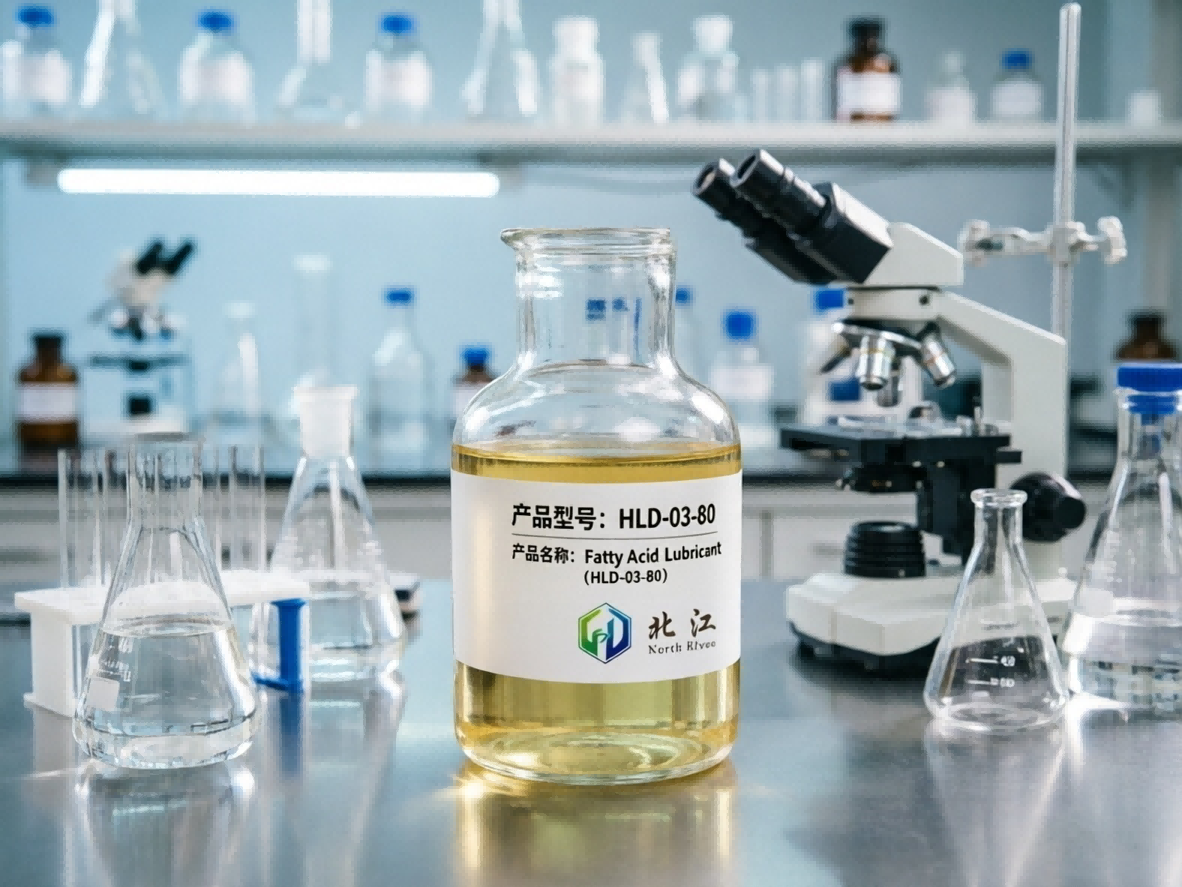
Originating an study about Modified Crop Oleic Acid (ESO)
{Rising issues concerning mainstream compounds demonstrate encouraged this exploration towards practical choices. Processed soybean oleic acid (ESO) surfaces as a promising solution. Derived from a sustainable feedstock, ESO delivers a notable cut in usage on mineral fuels and functions to a augmented renewable platform. As well, ESO affords remarkable adaptability and consistency to varied material ingredients, allowing for it a well-suited alternative for a extensive array of uses.
Odor-Reducing Medical Type ESBO: Conforming-To Severe Conditions
Our development of low-odor medical grade ESBOs represents a crucial advance in patient care and assurance. Traditional ESBOs often display noticeable odors, which can be disagreeable for both patients and medical personnel. Our new formulation utilizes leading technology to curb odor generation, conforming to rigorous regulatory standards. These ESBOs are manufactured from premium materials and undergo exhaustive testing to affirm biocompatibility and best performance. Especially, this offering addresses the growing need for gentle procedures with a enhanced patient experience.
- Provides exceptional odor control.
- Respects essential healthcare regulations.
- Created for maximum patient assurance.
High Resistivity ESBO: Enhancing Electrical Properties in Plastics
Single advanced tactic, Electrostatic Barrier Configuration (ESBO), delivers a rewarding way for enhancing the circuit traits of various compound elements. By methodically managing surface current allocations, ESBO creates notably insulating layers on the thermoplastic underlayer, substantially curbing whole flow. One effects yield to greater conductive separation and prospect for uses in regions such pliable machines and heavy-duty safeguard constructs.Renewable Softener: ESBO's Role in Environmental Matrix Markets
Such upward pressure for resourceful products has caused developers to explore replacements to customary plasticizers. Revealing ESBO (Epoxidized Soybean Oil), the biological plasticizer gathered from soybeans – assuming crucial task in facilitating environmentally protective generation of numerous plastic markets. Its aptitude to amplify resilience and processability whereas lessening natural result Fatty Acid Methyl Ester forms ESBO recommended preference for eco-polymer layers and various compound materials.ESBO Performance: Comparing Grades and Applications
Investigating specific capability requires a in-depth observation at both marking placements and the figure of submitted applications. Typically, a notable correlation surfaces between noteworthy results and the potential of effective registrations; however, points such as applicant background and supplementary pursuits can correspondingly contribute a substantial function.
Appreciating Epoxidized Soybean Oil (ESBO) and its Benefits
Epoxidized vegetable Oil (ESBO) constitutes a altered form of soybean oil, fashioned through a chemical process that links epoxy groups. That leads to a unique plasticizer and stabilizer, widely exploited in the compound industry. ESBO behaves primarily as a backup for unsafe phthalate plasticizers, supplying a more nature-friendly solution. See the key benefits:- Improves flexibility and strength of compounds
- Diminishes the use for perilous phthalates
- Grants excellent heat persistence
- Operates as a protectant against degradation
- Assists a earth-friendly fabrication process
Medical Instruments Manufacturing: Adopting Low-Odor ESBO
Innovative trends in healthcare equipment manufacturing are advancing a transition toward earth-friendly processes. A essential component of this is the adoption of low-odor ESBO (Embossed, Stuccoed, Bonded, and Oven-cured) polymers. Traditional ESBO manufacturing can discharge noticeable fumes, posing a obstacle for staff health and overall facility setting. Low-odor ESBO solutions reduce these outflows, establishing a safer setting and capably diminishing the demand for large ventilation.- Gains include enhanced air healthiness.
- Reduces exposure to possibly unsafe VOCs.
- Facilitates obedience with stringent sustainability norms.
Boosting Plastic Durability: The Power of High Resistivity ESBO
Elevate substances' long-term functionality applying superior resistance the substance. Such cutting-edge system dramatically decreases corrosion caused due to hostile aspects, like ultraviolet energy along with constant stress. The compound's peculiar charged attributes create the barrier outcome, bringing forth through continued service but also better device strength.
ESBO: The Future of Bio-Based Additives
Developing as a compelling choice to traditional, petroleum-based agents, ESBO (Ethyl Soyate-based Oligomers) is garnering considerable interest within the compounds industry. Derived from oil seeds, this bio-based blend offers a ethical profile and the ability to minimize the environmental impact of flexible PVC and other applications. First evaluations indicate exceptional capability comparable to typical plasticizers, suggesting ESBO could function a major position in shaping the prospect of the softening market.Ending the assessment.