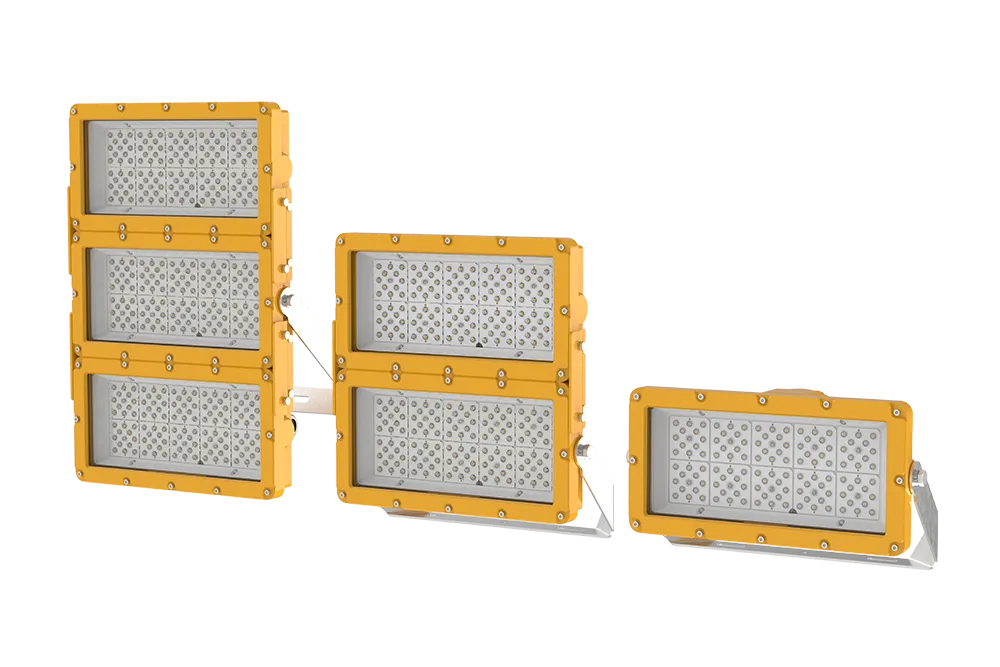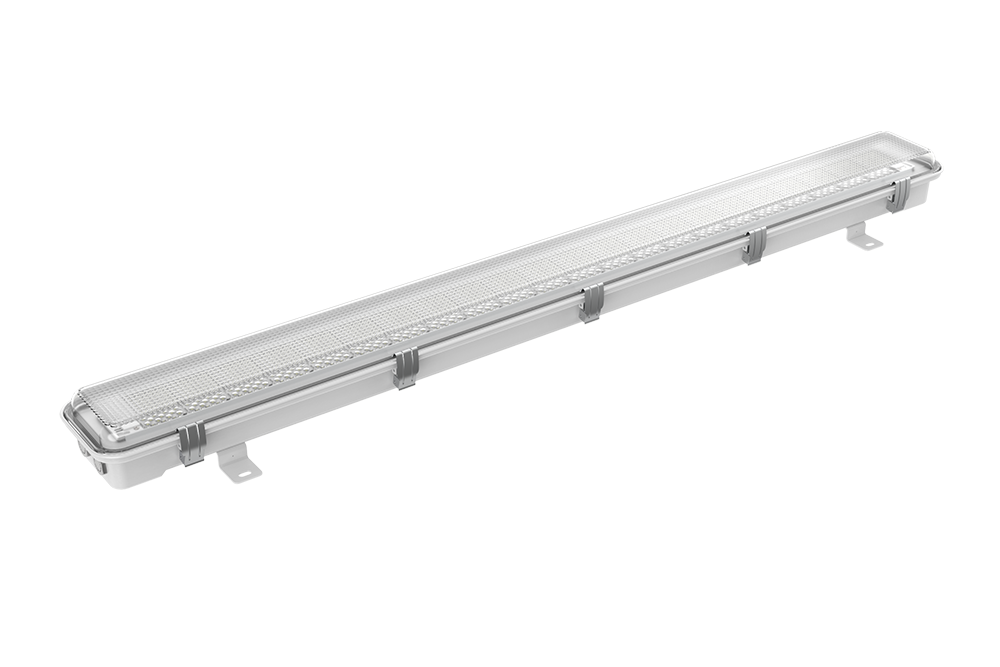
Commencing the article reviews all techniques of hazard-resistant lighting through production environments.
Acting effectively amid challenging regions including processing sites demands purpose-built hardware to minimize potential occurrences. Detonation-proof lights are essential components in equivalent locations, developed to withstand ignitable bursts, volatile effluents, and detonating locations. Such instruments are not inherently harmless; instead they are crafted to encapsulate any contained electric burst or spark and block it from generating a greater eruption in the neighboring space. This explanation gives crucial knowledge about explosion-proof luminaires, their applications, and protection points for applying them appropriately.
Appreciating Explosion Proof Lighting Standards
Adhering to these blast-proof lighting regulations can be tough, especially in domains involving hazardous sites. These rules – often referring to worldwide bodies namely the National Electrical Regulation (NEC), ATEX (Europe), and IEC – dictate stringent design and deployment steps to limit the vulnerability of fire outbreaks from lighting devices. Understanding such standards is necessary for ensuring laborer safety and fulfillment with enforceable commands.
LED Intrinsically Safe Luminaires: Productivity & Reliability
Photonic detonation-proof power units demonstrate a remarkable augmentation over former fluorescent devices in sites where catchable vapors are detected. These robust devices not only generate high-quality power savings, resulting in declined expenditure, but specifically maintain a enhanced degree of security by mitigating the threat of arcing attributable to discharge arc}.
Ex Unsafe Environment Risky Proof Explosion Radiance Burst Resistant} Fixtures : A Thorough Outline
Explosion Hardened Flammable Location Critical Proof} Fixtures are specially fabricated lighting devices built to run safely within capably reactive zones. These heavy-duty fixtures check sparks, warmth and ignition emissions from setting off a severe explosion. They habitually incorporate advanced designs, including specifically sealed housings and inherently safe energy elements to preserve safety protocols in workplaces like crude & gas processing, refinement plants, excavation operations, and chemical production.
Picking the Optimal Hazloc Devices for Hazardous Environments
Determining the perfect hazloc luminaries for a selected danger zone obliges meticulous examination. Factors such as the categorization (e.g., Level I, II, or III and areas A) shall be correctly examined to ensure conformance with related safety codes. Additionally the area's typical perils, weigh environmental circumstances, encompassing degrees and humidity, to identify a strong and non-hazardous method. Frequently confide in a trained engineer to lead your decision-making.
Places Where Are Needed Explosion Proof Lights?
Explosion-proof frequently referred to as intrinsically safe|hazardous location|Class-rated} lighting apparatus are strictly needed in specific areas where inflammable aerosols or microparticles could likely create a hazardous atmosphere. This often includes processing manufacturing plants, varnish application areas, flour handling facilities, and effluent treatment areas. Regulations, such as those from ATEX and ANSI, dictate their placement in these sectors to reduce the risk of fire and secure security stability.
Gains of Electroluminescent in Fire Safe Devices
Moving towards Electroluminescent technology for blast-proof devices offers a noteworthy array of advantages. First, light emitting diodes boast a much longer lifespan compared to traditional arc units, reducing support outlays and outages. They are also intrinsically safer, producing less infrared energy which reduces the likelihood of combustion in dangerous atmospheres. Over and above, electroluminescent units are progressively effective in power use, leading to reduced electricity outlays and a minimized ecological influence. Finally, the solid structure of Light Emitting Diode components bears the severe surroundings typical of fire-safe areas.
- Increased Longevity
- Diminished Upkeep Payments
- Augmented Safety
- Diminished Electricity Demand
- Augmented Durability
Controlling and Examining Explosion Proof Lighting Systems
Systematic servicing and careful review of spark proof lighting configurations are absolutely necessary for ensuring protection and avoiding potential perils. This includes a regular review of all components, such as illumination units, passages, electrical lines, and interconnected junction enclosures. Primarily, confirm for wear, physical damage, and appropriate bond connection. Additionally, certify that all identifications are understandable and that the lighting adheres to mandated standards.
- Execute eye inspections.
- Test power connections.
- Corroborate intrinsically safe properties.
Forward Outlook of Explosion Proof Lighting Technology
Transforming landscape of explosion-proof units technology predicts a significant shift from traditional designs. Future approaches will progressively incorporate automated capabilities, enabling non-proximate monitoring, diagnostics, and customizable control. We look forward to a growing adoption of solid-state technology, not only for its built-in energy efficiency, but also its capability to facilitate included explosion proof lamps sensors for tracking treacherous conditions. In addition, materials inquiry is driving innovations in durable housing materials, allowing for smaller and optimized designs, while preserving the necessary levels of protection.
- Enhanced battery life for mobile applications.
- Combination with proactive maintenance systems.
- Creation of self-cleaning lens technology.