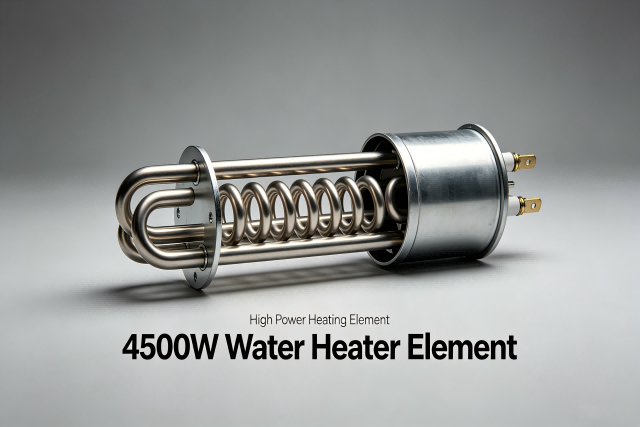
Within the domain of engineered thermal components, proficiency plays a pivotal role in offering efficient solutions for enterprise purposes. Taskforces exploit latest temperature simulation and simulation techniques strategies to construct units precisely customized to serve exceptional heat levels, handle demanding locations, or unify with sophisticated platforms. Workflows comprise raw material identification (from conventional alloys to engineered ceramics), fabrication molding (crooking, shaping, entwining), and careful workmanship providing peak operation and endurance. Our dedication is on team-based engineering, extensive analysis and ongoing validation to offer solid and optimal heating solutions for all purposes.
Selecting any Best Energy Unit for Personal Project
Once picking a warming unit, it’s critical to evaluate different aspects. Consider the required wattage, as this materially impacts output. Moreover, material sorting—like alloy wire or earthenware insulators—must match the service temperature range. Finally, the actual dimensions and structure need to blend with within your setup's available extent—ensuring it’s solidly installed. Ignoring these items can incur a broken and potentially dangerous system.
Chief Heating Element Manufacturers Universally
The transnational heating section manufacturing sector is controlled by a handful of principal players. A plethora of companies consistently rank among the best for quality, innovation, and production levels. Notable firms include Elnar Industries, based in Sweden, known for their excellent electric heating elements; Invensys, a U.S.-based enterprise offering a wide assortment of industrial heating technologies; and Hefestos AG, a Scandinavian company specializing in customized heating technologies. Furthermore, Far Eastern manufacturers like Rongde Systems are increasingly making a stand with competitively priced options. A quick inspection at market portion typically reveals these companies fronting the field, though smaller, niche producers also thrive.
- Enterprises
- Chromalox
- Dutch
- Systems
Grasping Different Kinds of Warmth Units
To efficiently troubleshoot or opt for the ideal heating system, it's critical to perceive the different sorts of heating devices. These components are responsible for converting electrical voltage into heat, but they do so in various ways. Traditionally employed options include resistance coils, which directly warm a material when electricity passes through them; quartz infrared heaters, emitting radiant warmth ideal for areas needing localized heating; and ceramic elements, known for their quick time and durability. Evaluate that each has unique characteristics concerning efficiency, longevity, and applications – resistance coils are often less expensive but have a shorter lifespan, while quartz heaters provide distinct warmth spreads. Choosing the correct element depends largely on your desired performance and intended use case.
- Wire Coils
- Quartz Infrared Emitters
- Ceramic Units
Heating Element Materials: A Comprehensive Guide
Selecting recommended heating device elements is necessary for superior output across multiple applications. Typical choices include resistive alloys like nichrome (nickel-chromium), which affords a good balance of remarkable resistivity and toughness, but can be limited by warmth. Kanthal, another alloy incorporating aluminum and silicon, typically exhibits improved wear resistance resistance at higher temperatures. For specific needs, ceramic materials like molybdenum disilicide (MoSi2) may be employed, boasting exceptionally high temperature capability and rapid heating rates; however, they often require protective atmospheres to prevent decay. Considerations when choosing chosen material involve operational climate range, desired power density, environmental conditions (e.g., corrosive atmosphere), and cost-effectiveness.
- Nichrome: Cost-effective, moderate temperature.
- Kanthal: Enhanced corrosion resistance.
- Molybdenum Disilicide: Very high temperature capacity.
The Future of Custom Heater Solutions
The heating element company projected landscape of custom heater methods is poised for a notable transformation, driven by advancements in modernization and increasingly specific customer desires. We're witnessing a shift away from off-the-shelf offerings toward highly personalized heating applications, fueled by the rise of Industry 4.0, IoT integration, and sustainable energy motivations. Foresee more emphasis on additive manufacturing (3D printing) enabling rapid prototyping and incredibly complex heater geometries previously unachievable to produce. Furthermore, intelligent heating elements with built-in sensors and self-regulating capabilities will become commonplace, optimizing energy efficiency and minimizing operational expenditures. This includes:
- Integrated materials allowing for greater temperature precision.
- Remote monitoring and administration via cloud-based platforms.
- Specialized solutions for specialized industries like medical devices, aerospace, and electric vehicles.
Handling Usual Electrically powered Device Problems
Should your equipment isn't warming, the unit is often a prime suspect. Primarily, visually check the unit for any signs of physical breakage, like burns or fissures. A damaged element usually needs replacing; don’t attempt a restoration. If it appears okay, use a measuring device to check for continuity – no reading indicates a faulty electric wire. Another common problem is a unstable connection; ensure all wires are securely joined to the element and its power input. Finally, remember that sometimes the issue isn't with the element itself but with a faulty sensor or other associated device, requiring further investigation by a qualified consultant.
Improving Heater Functionality and Cost Benefits
Augmenting thermal unit's capability is vital for cutting electricity bills and gaining optimal machine execution. Various factors determine how productively a heating element changes electrical voltage into heat. These involve material selection, construction, and application temperature range. Regular maintenance, such as addressing residue accumulation and keeping proper electric strength, can significantly improve the component’s ability to deliver consistent, dependable heat while amplifying its lifespan.Connecting with Established Heating Component Vendors
Electing a appropriate heating element supplier is critically important for ensuring product reliability. Finding your dependable manufacturer can offer major benefits, including reliable delivery schedules, reduced production charges, and access to expert technical consultation. Analyze their experience, certifications (like ISO), and manufacturing capabilities. A good supplier will provide robust documentation, detailed specifications, and demonstrate a commitment to enduring improvement. Beyond just production, look for partnerships that foster collaboration and innovation to meet evolving design needs – it's about building a long-term relationship not simply obtaining parts.
- Scrutinize manufacturing processes
- Inspect quality control procedures
- Procure references from existing clients